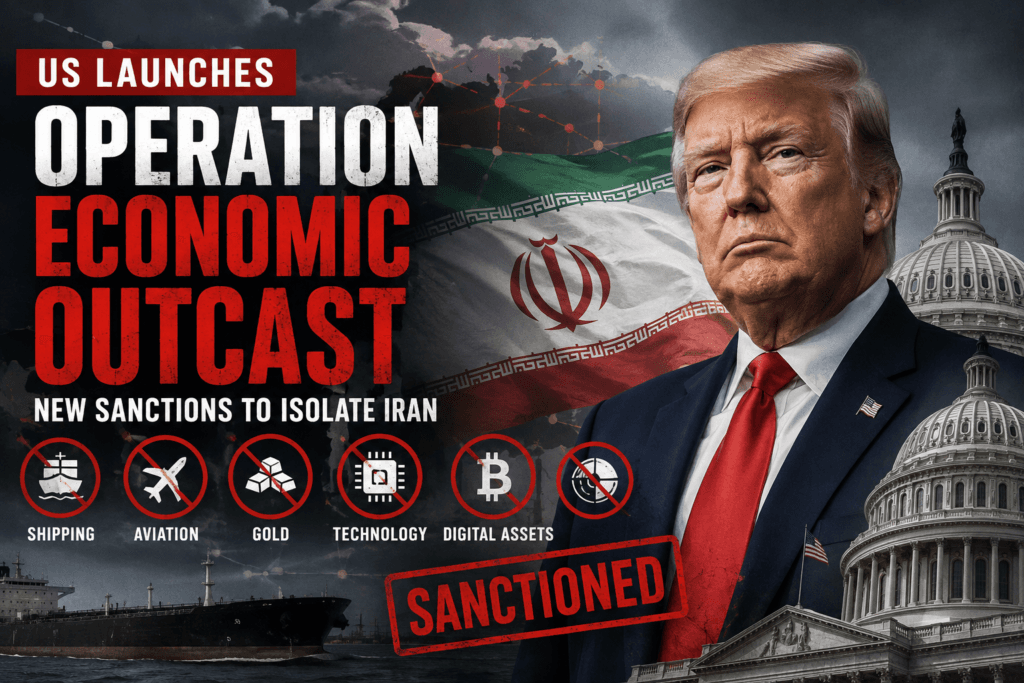
The United States has launched a sweeping new economic campaign against Iran, with Treasury Secretary Scott Bessent announcing “Operation Economic Outcast” on Monday, August 24.
The operation is designed to cut Iran off from the global financial system and choke the economic channels that Washington says are helping Tehran sustain its government, military and wider operations. Bessent described the campaign as an “unprecedented” economic offensive, saying the US objective is to sever what he called Iran’s economic lifelines until Tehran is isolated internationally.
The announcement follows President Donald Trump’s repeated warnings that countries and companies continuing to provide Iran with economic lifelines could themselves face US penalties.
What Is Operation Economic Outcast?
Operation Economic Outcast is essentially a large-scale economic isolation campaign. Rather than relying primarily on military action, Washington is attempting to make it increasingly difficult for Iran to earn money, move funds internationally, obtain technology and maintain commercial relationships.

Bessent said the campaign is targeting five major areas:
- Digital assets
- Technology
- Gold
- Aviation
- Shipping
The Treasury Department also announced sanctions against more than 60 entities, individuals and vessels around the world accused of helping Iran generate oil revenue, acquire nuclear and missile technology or conduct cyber operations. This is being seen as a part of the touted ‘Operation Economic Outcast’.
US Targets Iran’s Global Financial Network
One of the most important elements of the Operation Economic Outcast is that Washington is not focusing only on Iranian companies. The US is also targeting foreign companies, banks, shipping networks and other intermediaries that help Tehran circumvent existing sanctions.
Bessent warned that entities facilitating Iranian money laundering could eventually be excluded from the US dollar-based financial system.
He also indicated that another major financial institution could be sanctioned before the end of this week, suggesting that Monday’s announcement may only be the beginning of a larger campaign.
This is where the operation becomes particularly significant. The US dollar and American financial system remain deeply embedded in international trade. Threatening access to them can pressure companies in countries that otherwise have no interest in following Washington’s Iran policy.
Why Is Trump Escalating Economic Pressure?
The Trump administration has described the new campaign as the economic component of its broader strategy against Tehran. Treasury Secretary Bessent had previously warned that Washington was preparing the “toughest sanctions in history” against Iran and told countries they would have to choose whether to continue doing business with Tehran.
Trump has similarly threatened “tremendous Economic Consequences” for countries whose financial institutions, businesses, airports or government entities provide what Washington considers a lifeline to Iran. Operation Economic Outcast appears to be US’ last resort amid deadlock.
Bessent has referred to the strategy as an “economic D-Day”, suggesting that Washington sees the campaign as a decisive attempt to force Tehran into submission or negotiations.
Iran’s Economy Already Under Severe Pressure
Iran has lived under US sanctions for decades, with major restrictions dating back to the aftermath of the 1979 Islamic Revolution. The country has nevertheless developed networks to continue selling oil and accessing international markets.
China is particularly important to Iran’s economy because it remains the dominant buyer of Iranian oil. Reuters reported that China purchased more than 80% of Iran’s shipped oil based on 2025 data from Kpler.
That makes enforcement against Iranian oil networks — and potentially the foreign companies facilitating those transactions — one of Washington’s most powerful remaining economic pressure points.
Could China Become a Major Target?
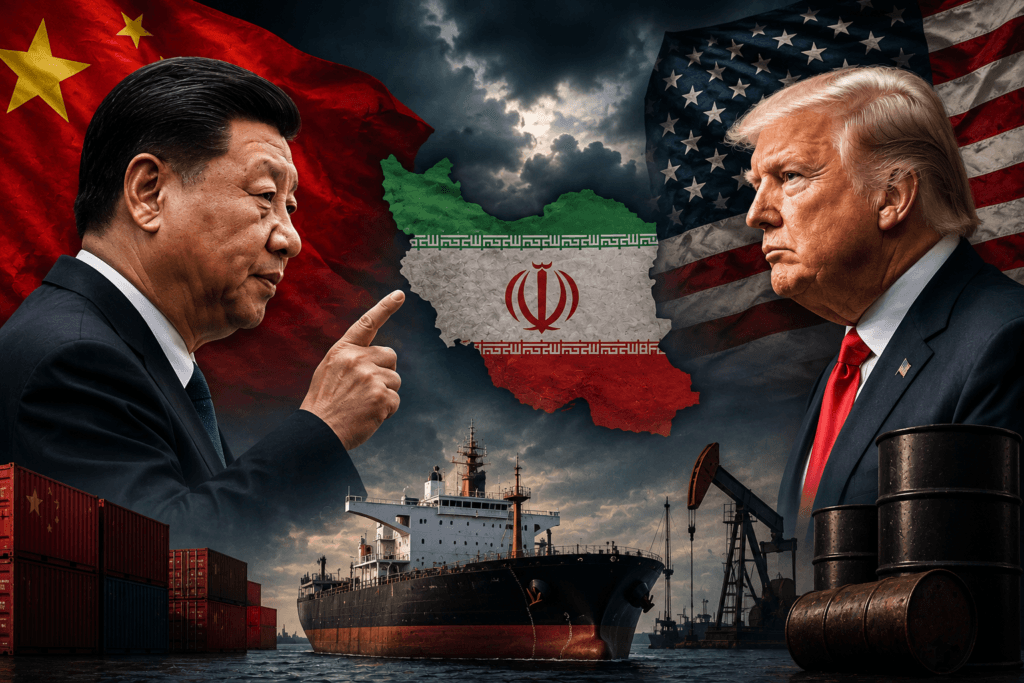
This is one of the biggest questions surrounding Operation Economic Outcast. The Trump administration has warned countries around the world against continuing business with Iran, but directly targeting major Chinese banks or companies could trigger a much broader confrontation between Washington and Beijing.
China is not only a major buyer of Iranian oil but also a crucial trading partner of the United States.
That creates a difficult calculation for Washington: how far can the US go against Iran’s Chinese economic links without creating a new US-China economic crisis?
What Does It Mean for Oil and India?
The campaign could have significant consequences for global energy markets. Iranian oil exports are already under pressure, while the Strait of Hormuz remains a major source of uncertainty for international shipping.
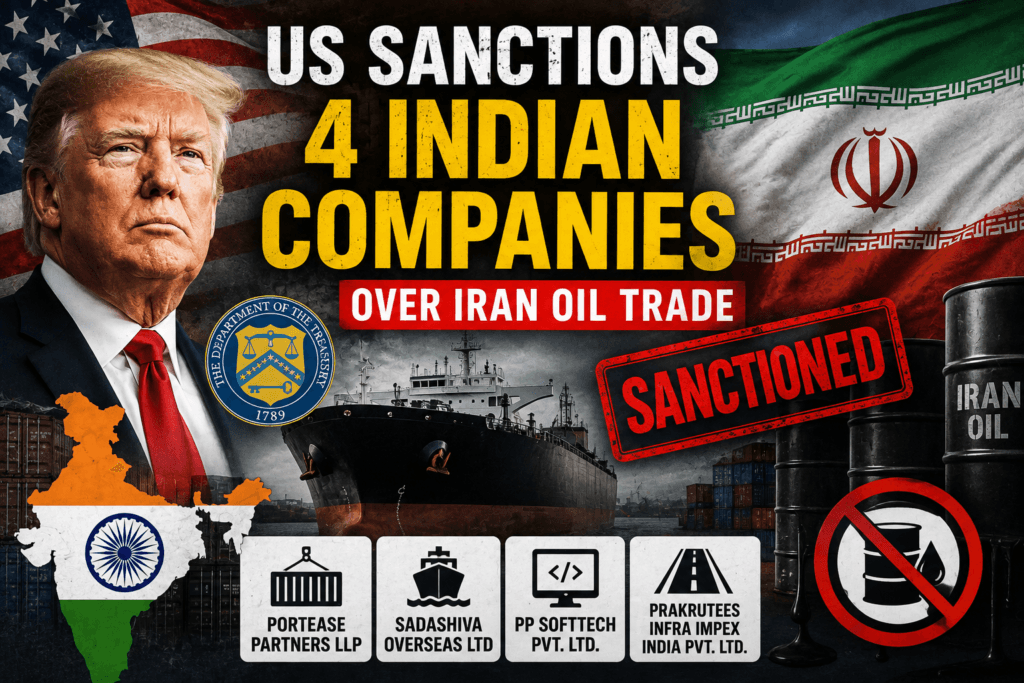
If sanctions successfully reduce Iranian oil exports, global crude supplies could tighten and prices could rise. For India, that could mean a higher crude import bill, pressure on the rupee and increased inflation risks.
ALSO READ: Strait of Hormuz Crisis: US-Iran Standoff Deepens as Shipping Traffic Collapses
What Happens Next?
Operation Economic Outcast appears to be only the beginning. Washington has signalled that additional sanctions against financial institutions and other companies could follow in the coming days.
The central question is whether the campaign will force Iran toward negotiations — or whether Tehran will respond by further disrupting energy supplies and escalating pressure in the Strait of Hormuz.
For now, the Trump administration is betting that financial isolation can achieve what military pressure alone has not: forcing Iran to choose between economic survival and confrontation with Washington.