The confrontation between the United States and Iran is deepening around the Strait of Hormuz, with Tehran rejecting Washington’s claims of control over the strategic waterway while diplomatic efforts remain deadlocked.
Iran says the Strait of Hormuz remains under its control, while US President Donald Trump has repeatedly claimed that American forces have established control over the crucial maritime route. The competing claims come as commercial traffic through the strait has fallen dramatically.
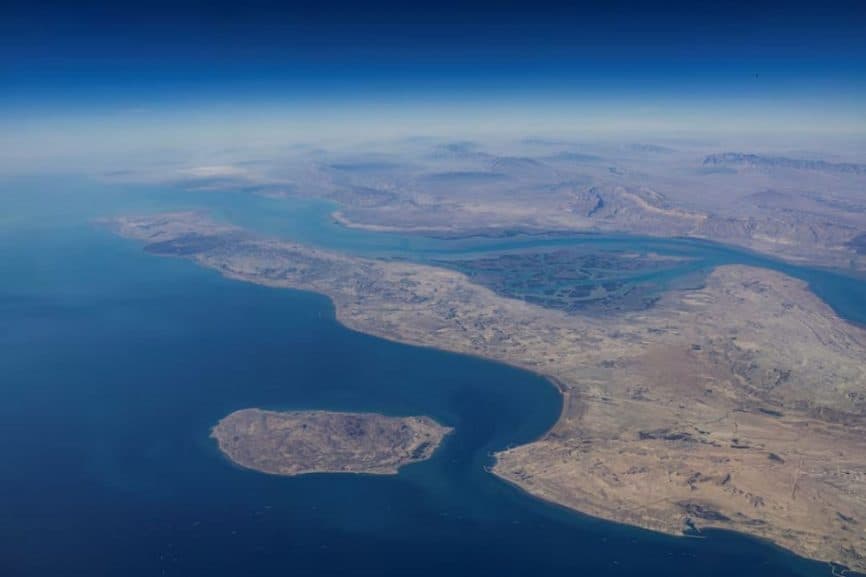
The crisis has also taken an environmental turn. Iran said Thursday that an oil spill had reached Qeshm Island, warning of potential environmental damage in the Strait of Hormuz. Tehran has called for compensation and blamed foreign shipping for the pollution.
Shipping Traffic Plunges
The scale of the disruption is illustrated by the collapse in vessel movements. On Tuesday, only eight vessels crossed the Strait of Hormuz, compared with roughly 130 to 140 vessels per day before the conflict. The dramatic reduction demonstrates how commercial shipping companies are avoiding the waterway because of the security risks.
The disruption matters because Hormuz is one of the world’s most important energy chokepoints.

Why Hormuz Matters to the Global Economy
The Strait of Hormuz connects the Persian Gulf with the Gulf of Oman and the Arabian Sea.
Major oil and gas exporters including Saudi Arabia, Iraq, Kuwait, Qatar and the UAE rely heavily on routes through the region. Large Asian economies, including India, China, Japan and South Korea, are among the world’s biggest energy importers.

A prolonged disruption could therefore affect:
- Global crude oil prices
- Shipping costs
- Marine insurance premiums
- Petrol and diesel prices
- Inflation
- Industrial production
- Global trade
Even countries that do not directly import Gulf oil can be affected because higher energy and transportation costs can spread through international supply chains.
US-Iran Talks Remain Stuck
Diplomatic efforts have so far failed to resolve the dispute. Mediators are attempting to bring Washington and Tehran back to negotiations, but major disagreements remain over sanctions, military activity, Iran’s nuclear programme and the future of maritime traffic.

Iran has demanded broader concessions from Washington before agreeing to fully restore normal shipping through Hormuz. The US, meanwhile, has insisted that the waterway must reopen. The deadlock means the maritime crisis and diplomatic crisis are now closely connected.
What Happens Next?
The most important question for energy markets is how long the disruption lasts. A short-lived closure could eventually be absorbed through alternative routes and strategic reserves. A prolonged crisis, however, could create significant pressure on oil markets and global inflation.
ALSO READ: Iran Sets Tough Conditions to Reopen Strait of Hormuz as Oman Deal Nears
The environmental consequences are another emerging concern following the spill near Qeshm Island. For now, the Strait of Hormuz remains one of the world’s most dangerous geopolitical flashpoints, with military confrontation, diplomacy, energy security and environmental risks all converging in the same narrow waterway.