NEW DELHI: As the dust finally begins to settle on the massive, weeks-long student-led demonstrations in the capital, the Supreme Court of India has stepped in to address the escalating and dangerous friction between law enforcement agencies and protesting citizens.
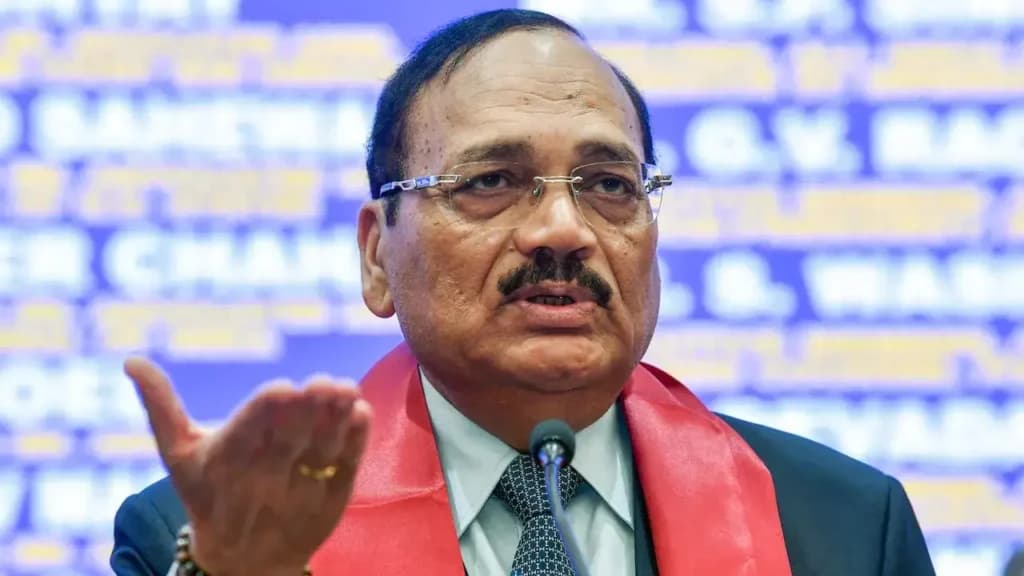
On Monday, July 27, 2026, a Supreme Court Bench led by Chief Justice of India (CJI) Surya Kant made strong, highly consequential observations regarding the fundamental democratic rights of the public. The bench explicitly reiterated that the constitutional right to peaceful protest must be unequivocally protected by the state, rather than treated as an inherent threat to public order.

Supreme Court Looks To Balance Civil Liberties and Public Order
Taking serious and immediate note of the recent, severe police crackdown on the Cockroach Janta Party’s (CJP) march toward Parliament, the apex court indicated a major shift in judicial oversight. The court stated that it is actively considering framing comprehensive, uniform guidelines designed to strictly regulate police conduct, crowd control protocols, and the use of force during large-scale public demonstrations across the country.

CJI Kant emphasized that the court is equally and deeply concerned about the severe physical injuries suffered by both the young, unarmed protesters and the deployed police personnel during these highly volatile clashes. The lack of standard operating procedures often leads to chaotic, disproportionate responses from security forces, escalating peaceful marches into violent confrontations.
By establishing binding uniform guidelines, the Supreme Court aims to clearly define the acceptable boundaries for both the demonstrators’ actions and the state’s crowd-dispersal tactics, particularly regarding the highly controversial use of non-lethal weapons such as pellet guns, water cannons, and tear gas.
The Need for Self-Imposed Discipline
During the proceedings, CJI Kant stressed that maintaining a functional democracy requires a delicate balance of responsibilities. “Self-imposed discipline” on the part of both the protesting citizens and the law enforcement agencies is absolutely essential, the Chief Justice noted.
Protesters must ensure their movements do not cross the line into vandalism or unprovoked violence, while police forces must exercise maximum restraint and exhaust all de-escalation tactics before resorting to physical force.

ALSO READ: CJP Protest Concludes; Probe Confirms Pellet Gun Use, Fresh Detentions Spark Tensions
This timely judicial intervention signals a vital potential shift in how future mass political and social movements will be managed in India. If the guidelines are formalized, they will serve as a crucial legal shield, ensuring that state agencies can no longer easily resort to disproportionate, arbitrary force against civilians exercising their democratic rights to demand accountability from their elected officials.