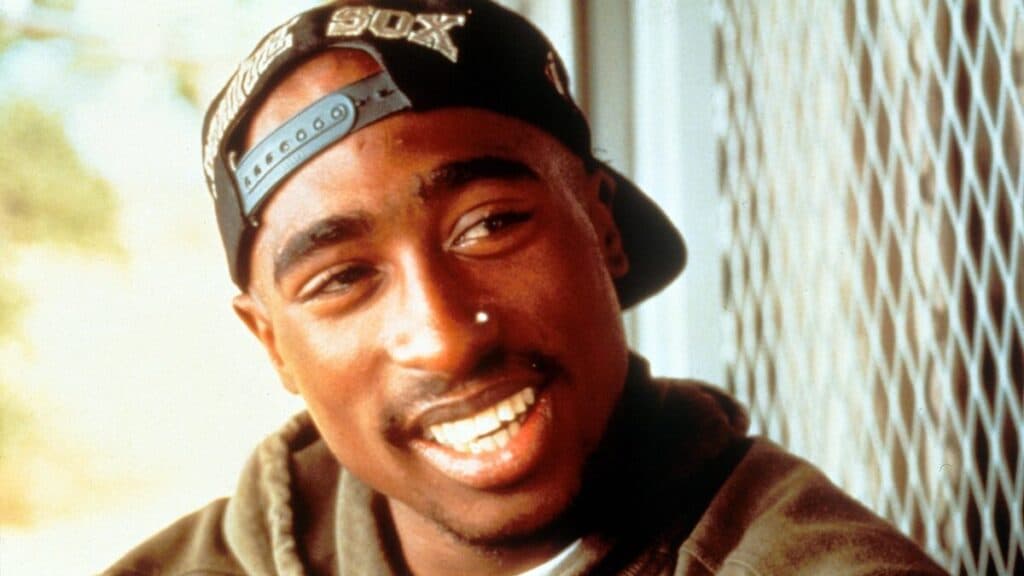
Nearly three decades after Tupac Shakur was fatally shot in Las Vegas, the long-running murder investigation has finally reached a courtroom. Jury selection began Monday, August 10, 2026, in Las Vegas for Duane “Keffe D” Davis, the former South Side Compton Crips leader accused of orchestrating Tupac’s 1996 killing. Davis, 63, has pleaded not guilty to a murder charge involving a deadly weapon. If convicted, he could face life imprisonment without parole.
The trial is expected to last roughly five weeks and could feature between 35 and 45 witnesses. The case has attracted enormous public attention because Davis is the only person ever charged in connection with Tupac’s murder.
What Happened to Tupac Shakur?
Tupac, one of the most influential rappers of the 1990s, was shot on September 7, 1996, while riding in a BMW driven by music executive Marion “Suge” Knight near the Las Vegas Strip. The shooting followed a confrontation earlier that night at the MGM Grand involving Tupac and Orlando “Baby Lane” Anderson, Davis’ nephew and a member of the South Side Compton Crips.

A white Cadillac pulled alongside Tupac’s vehicle and gunfire erupted. Tupac was struck four times. He was taken to hospital but died six days later, on September 13, 1996, at the age of 25. The murder became one of the most famous unsolved cases in music history. Anderson was long considered a potential gunman but was never charged and died in an unrelated shooting in 1998.
Why Is Duane “Keffe D” Davis on Trial?
Prosecutors allege that Davis orchestrated the attack after the confrontation involving his nephew. Investigators say Davis was inside the white Cadillac that followed Tupac’s vehicle and that he obtained and supplied the firearm used in the shooting.

A key element of the prosecution’s case is Davis’ own history of discussing the killing. In interviews and his 2019 memoir, Compton Street Legend, Davis described his involvement in the events surrounding Tupac’s death. He acknowledged being in the vehicle and said he provided the gun, although he has not admitted to being the person who fired the fatal shots.
Davis Now Disputes His Earlier Statements
Davis’ defense is expected to challenge the credibility and meaning of those statements. Davis has argued that portions of his memoir were fictionalized and that statements made over the years should not be treated as a confession. Prosecutors, however, are expected to argue that his repeated descriptions of his involvement amount to powerful evidence against him.
The case therefore could become a major courtroom battle over what Davis said, when he said it and whether his statements can be trusted.
ALSO READ: Assam Floods 2026: Death Toll Reaches 98, Why This Year’s Deluge Has Become So Devastating?
Who Pulled the Trigger?
One of the biggest unresolved questions remains the identity of the actual shooter. Prosecutors do not necessarily have to prove that Davis personally fired the gun to secure a murder conviction. Nevada law allows prosecutors to pursue a murder case against someone accused of participating in or orchestrating a killing even if that person was not the shooter.
That makes Davis’ alleged role as the organizer and supplier of the weapon central to the prosecution’s case.
What Could Happen at Trial?
The trial could revisit several of the most important elements of Tupac’s final night, including the MGM Grand confrontation, the gang rivalry surrounding the shooting, Davis’ statements and the events inside the white Cadillac.
Potential witnesses include former Las Vegas Mayor Oscar Goodman, who was involved in the case decades ago, and individuals connected to the music and gang worlds surrounding Tupac. Suge Knight could potentially be relevant to the prosecution’s account, although his appearance as a witness remains uncertain.
Sean “Diddy” Combs, who Davis has previously accused in connection with the killing, is not listed as a trial witness. Those allegations remain separate from the charge Davis currently faces.
Why This Trial Matters
Tupac Shakur’s death became far bigger than a single homicide case. It became intertwined with the 1990s East Coast-West Coast hip-hop rivalry, gang politics and one of the most enduring mysteries in popular culture. For nearly 30 years, there was no criminal trial and no conviction.
Now, with jury selection underway, prosecutors will attempt to convince jurors that Davis played a decisive role in Tupac’s murder, while the defense will seek to undermine the reliability of the evidence and Davis’ previous statements. The trial may finally provide a courtroom-tested account of what happened on that September night in Las Vegas — although it may not answer every question surrounding Tupac Shakur’s death.