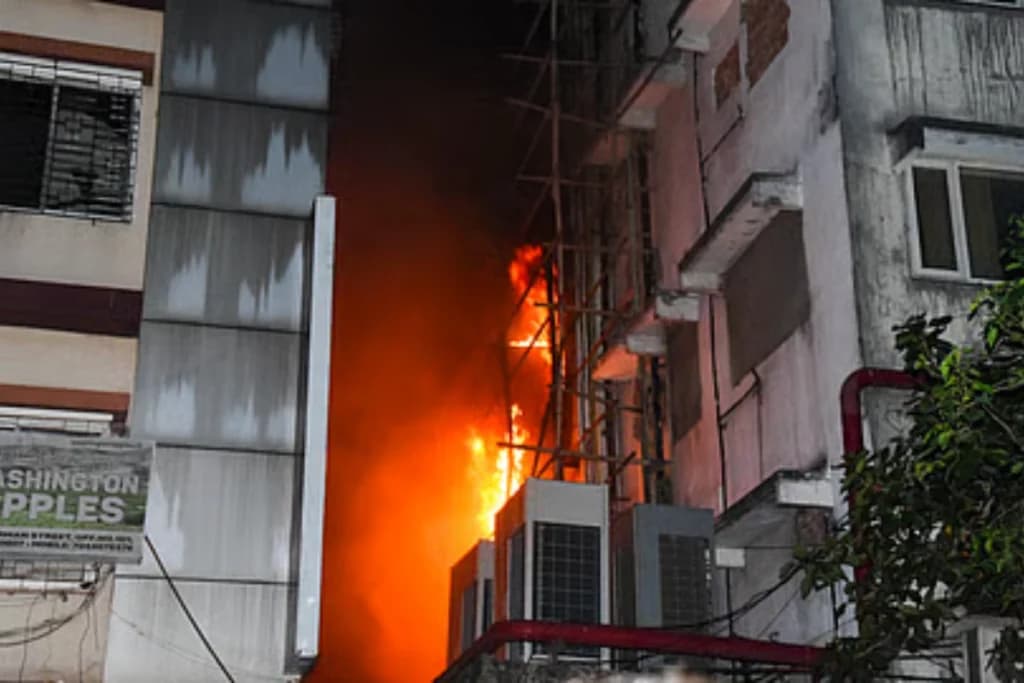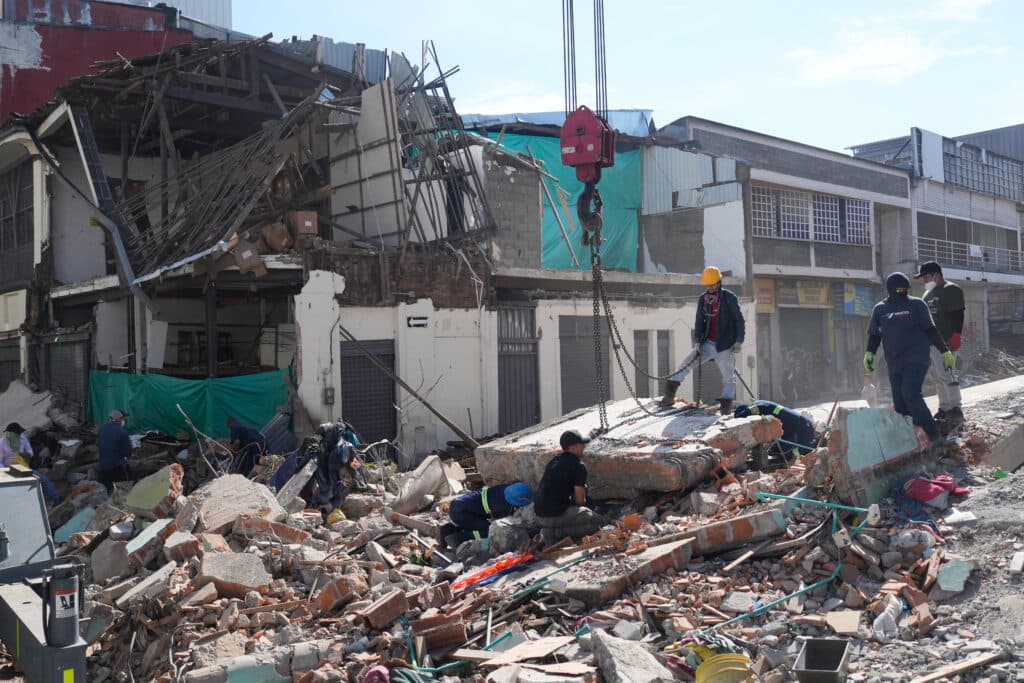
Colombia Earthquake Latest Updates: A powerful 7.4-magnitude earthquake that struck western Colombia on August 10 has killed at least 250 people, according to the latest reports, while rescue teams continue searching collapsed buildings for survivors.
The earthquake, the most devastating to hit Colombia this century, tore through the country’s coffee-growing region and caused widespread destruction in Pereira, Cali, Manizales and Quibdó. Homes, apartment buildings, schools and healthcare facilities were damaged or destroyed.The situation remains fluid. Communications have been disrupted in some of the hardest-hit communities, particularly in Chocó, making it difficult for authorities to establish the full scale of casualties.

Rescue Teams Race Against Time
Emergency workers, volunteers and residents have been digging through rubble since the earthquake struck. More than 100 aftershocks had been recorded by Tuesday, increasing the danger for rescue workers and people returning to damaged structures.
One dramatic rescue in Pereira offered a rare moment of hope. Daniela Largo, 32, was found alive nearly 38 hours after the earthquake after becoming trapped beneath a collapsed four-storey building. Around 50 volunteers and rescue specialists worked for hours to free her.

Why Was the Colombia Earthquake So Destructive?
The earthquake occurred at a depth of around 100 kilometres, according to the US Geological Survey. Colombia lies in a highly active tectonic region where the Nazca Plate moves beneath the South American Plate.
The quake’s depth allowed some seismic energy to dissipate before reaching the surface, potentially preventing even greater destruction. But its magnitude and the type of ground movement still generated extremely powerful shaking. More than 100 aftershocks have already been recorded, creating additional risks for damaged buildings and rescue operations.
Colombia’s Earthquake Vulnerability
Colombia has strengthened earthquake-resistant construction standards since major disasters in the 20th century. Its current building regulations were established in 2010. However, experts say building quality, construction materials, terrain and compliance with safety standards can determine whether structures withstand powerful earthquakes.
Informal settlements and buildings constructed without adequate engineering remain particularly vulnerable.

International Aid Arrives Following Colombia Earthquake
The disaster has become the first major crisis for newly inaugurated President Abelardo de la Espriella, who has visited affected areas and promised government support. The United States has pledged $15 million in assistance, while Mexico, El Salvador and other countries have offered rescue personnel and humanitarian support.
The immediate priority is finding people who may still be trapped and providing medical care, food, water and temporary shelter to displaced families. Authorities must also inspect buildings, roads, bridges, hospitals and other critical infrastructure before residents can safely return.
With the death toll still changing and communications disrupted in some areas, the full impact of the Colombia earthquake may take days to establish.