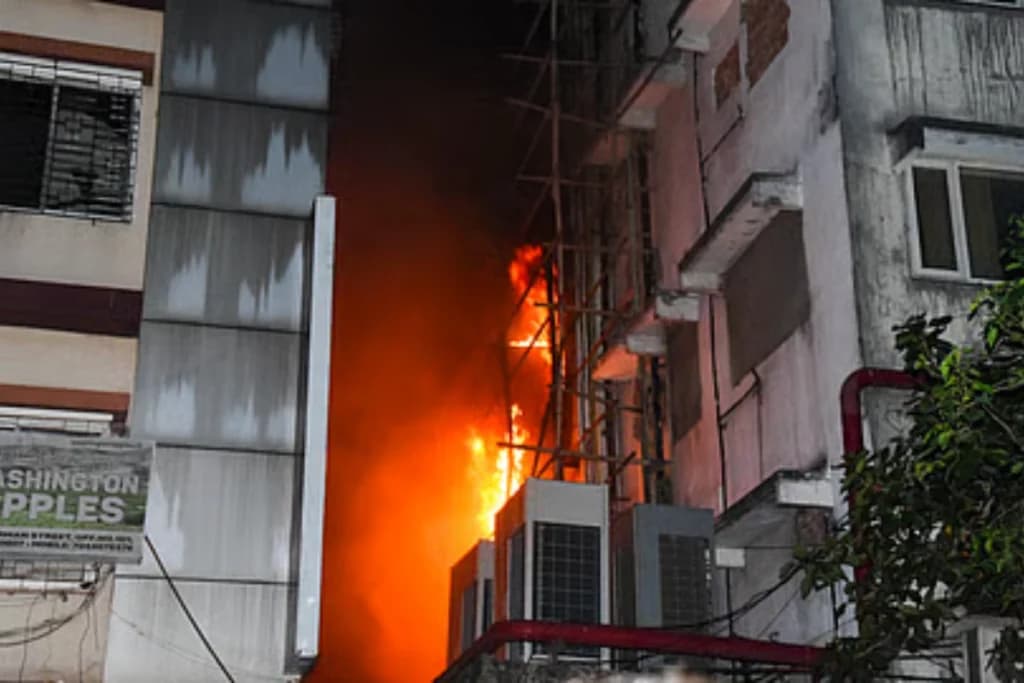
A powerful 7.4-magnitude earthquake struck western Colombia early Monday, August 10, 2026, killing at least 77 people and causing widespread destruction across several cities, according to the latest reports. The death toll has risen sharply as emergency crews reach damaged areas and search buildings for survivors.
The earthquake struck at around 7:34 a.m. local time, with the epicentre near San José del Palmar in Chocó province. The tremor was felt across a large part of Colombia and in neighbouring countries including Ecuador and Panama. Risaralda province has reported the highest number of fatalities, with 42 deaths, while major damage has also been reported in Valle del Cauca and other western regions. Pereira, Cali, Manizales and Quibdó are among the areas dealing with collapsed or badly damaged structures.
Buildings Collapse as People Remain Trapped
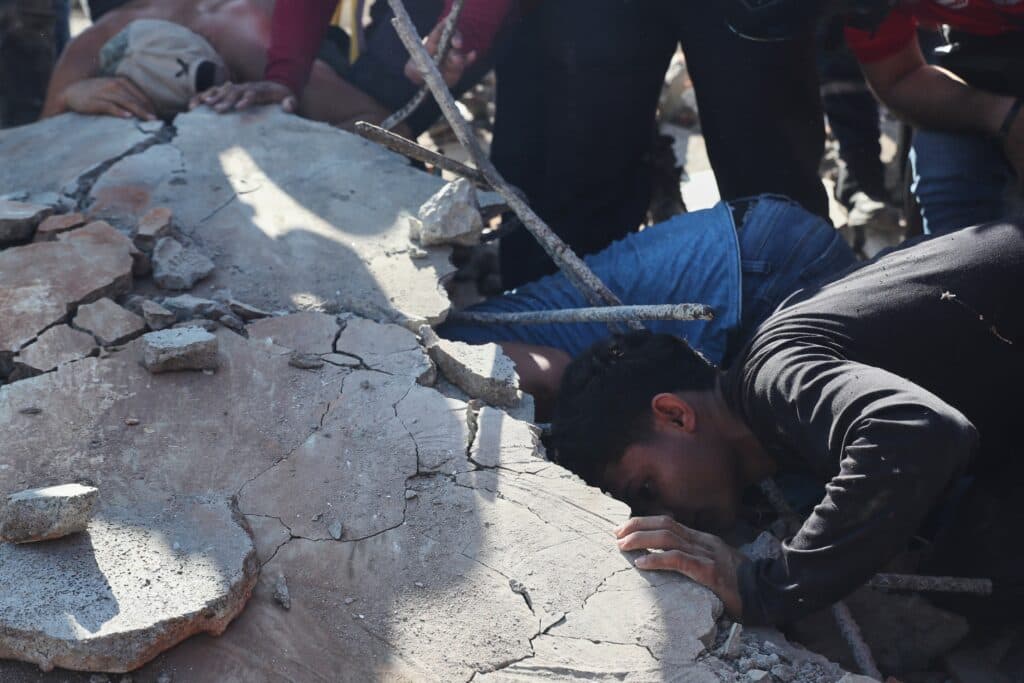
Emergency services have been working through collapsed buildings and rubble in search of survivors. In Pereira, one of the worst-hit cities, numerous structures were damaged and people were reported trapped beneath debris. In Cali, authorities reported multiple collapsed structures, while Manizales also suffered significant damage. The earthquake damaged parts of the city’s iconic cathedral, according to reports.

The scale of the destruction remains under assessment, meaning the casualty figure could change further as rescue operations continue. Colombian authorities have requested additional emergency personnel and resources from Bogotá and Medellín to support rescue operations in affected areas.
Airports Closed Amid Structural Safety Concerns
The earthquake also disrupted transportation. Colombia’s civil aviation authorities suspended operations at several regional airports after the tremor raised concerns about possible structural damage. Airports affected included facilities serving cities such as Pereira, Manizales and Quibdó.
Authorities are inspecting infrastructure before allowing normal operations to resume. There has been no major tsunami threat reported from the earthquake, but officials remain alert for aftershocks and secondary hazards such as landslides and additional building collapses.
Colombia Earthquake Felt Across the Region
The strength of Monday’s earthquake meant its effects were felt far beyond the immediate epicentral area. Reports indicate that tremors were felt in Bogotá, as well as neighbouring Ecuador and Panama. Residents in several cities rushed outdoors as buildings shook and alarms sounded.

The earthquake is being described as Colombia’s strongest in more than a decade, making it one of the country’s most significant seismic disasters in recent years.
Why Is Colombia So Vulnerable to Earthquakes?
Colombia sits in a highly active tectonic region where the Nazca Plate interacts with the South American Plate. The country’s western region is particularly exposed to earthquakes because of the complex tectonic processes associated with the Pacific margin. Colombia’s Geological Service has previously noted that Chocó is an active seismic region. A magnitude 5.6 earthquake recorded there in May 2026 was felt widely across the country.
The country’s mountainous terrain also increases the danger from landslides and falling debris following major earthquakes.
ALSO READ: Massive 7.1 Magnitude Earthquake Strikes Japan, Leaving a Trail of Destruction in Kumamoto
A Major Test for Colombia’s New Government
The disaster represents an immediate challenge for newly inaugurated President Abelardo de la Espriella. The government has begun coordinating emergency operations, with authorities establishing response mechanisms in the affected areas and mobilising rescue resources. International governments have also expressed support and offered assistance as Colombia assesses the scale of the disaster.
The immediate priority is locating people who may still be trapped, treating the injured and assessing damaged infrastructure. Authorities are also expected to conduct inspections of hospitals, bridges, roads, airports and residential buildings before allowing residents to return to potentially unsafe structures. Aftershocks remain an important concern. Even when the main earthquake has passed, damaged buildings can become more dangerous during subsequent tremors.
For now, emergency crews are continuing searches across western Colombia while authorities work to establish the full scale of the devastation. The 77-death toll is not necessarily final, and officials are expected to provide further updates as rescue teams reach more affected communities.