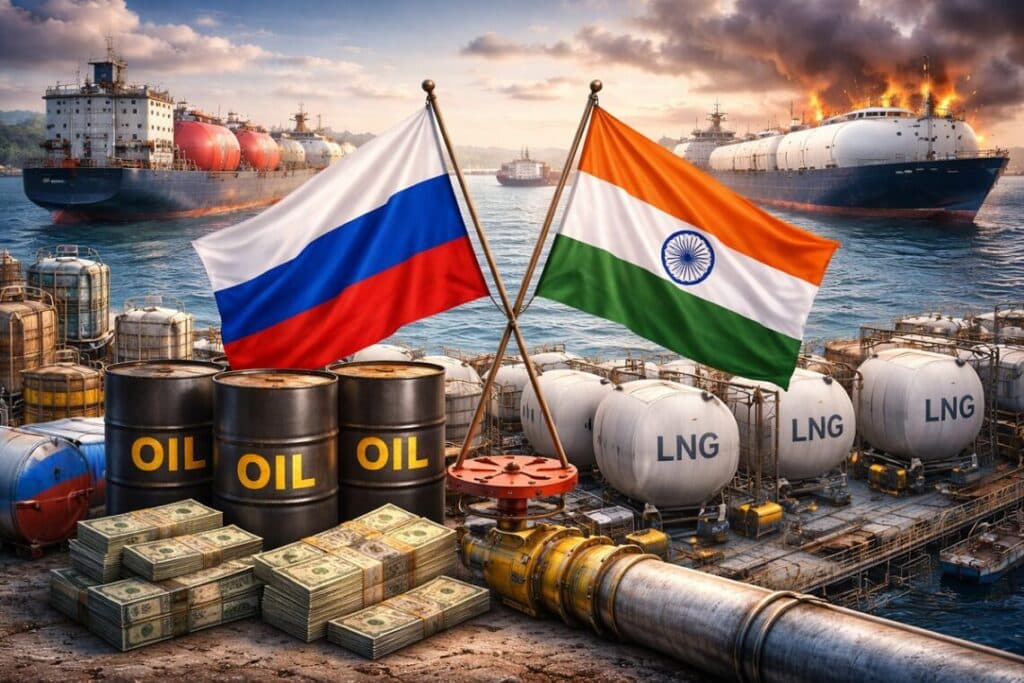
India’s is once again facing scrutiny in Washington over its Russian oil imports after the US Senate overwhelmingly passed new sanctions legislation targeting Russia and Iran. The legislation, passed by an 86-11 vote, gives the US president authority to impose tariffs of up to 100% on countries that continue to rely heavily on Russian oil and gas. India and China are among the major economies that could potentially be affected if the measure becomes law and those powers are used.
The development comes months after Washington and New Delhi reached an understanding that led to the removal of a separate 25% US tariff linked to India’s purchases of Russian crude. In February 2026, the Trump administration said it was dropping that additional tariff after India agreed to stop buying Russian oil.
Why Does India Buy Russian Oil?
Russian crude became particularly attractive to Indian refiners after Western sanctions disrupted Moscow’s traditional European markets. Discounted Russian oil helped Indian refiners secure relatively competitive supplies while maintaining access to crude needed by one of the world’s fastest-growing major economies.

India has consistently argued that its energy purchases are driven by national economic interests and the need to protect consumers from global price volatility.
Why Is Washington Targeting Russian Oil Buyers?
The US strategy is aimed at reducing the revenue Moscow receives from energy exports. Oil remains a crucial source of income for Russia, helping finance government spending and the war effort in Ukraine. Washington therefore sees restrictions on Russian energy buyers as a way of increasing economic pressure on the Kremlin.
The latest Senate bill would substantially increase the potential cost for countries that continue large-scale purchases of Russian energy.
What Could It Mean for India?
If the legislation becomes law and tariffs are imposed, Indian exporters could face higher costs when selling goods to the US market. The pressure could also create a difficult energy-policy choice for New Delhi: continue sourcing cheaper Russian crude or reduce purchases to avoid potential trade penalties. India has previously resisted allowing geopolitical disputes to dictate its energy policy. The issue is about more than oil.

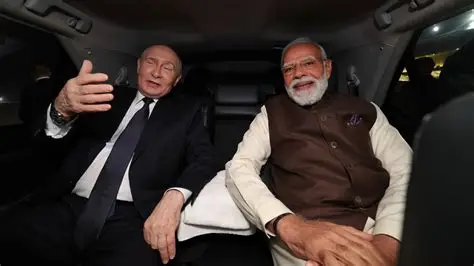
India maintains close defence and strategic ties with Russia while simultaneously expanding its partnership with the United States through the Indo-Pacific, defence, technology and trade. That balancing act has become increasingly complicated as Washington attempts to isolate Moscow economically.
ALSO READ: Israel Conducts Major Naval Drill Across Mediterranean and Red Sea Amid Houthi Threat
For now, the Senate vote is not itself a new tariff imposed on India. The bill still has to move through the US legislative process. But it signals that Russian oil purchases could once again become a major point of friction between New Delhi and Washington.
For Indian policymakers and refiners, the message is clear: the cost of Russian crude can no longer be measured only by its price per barrel. Geopolitical and trade risks are becoming an increasingly important part of the calculation.