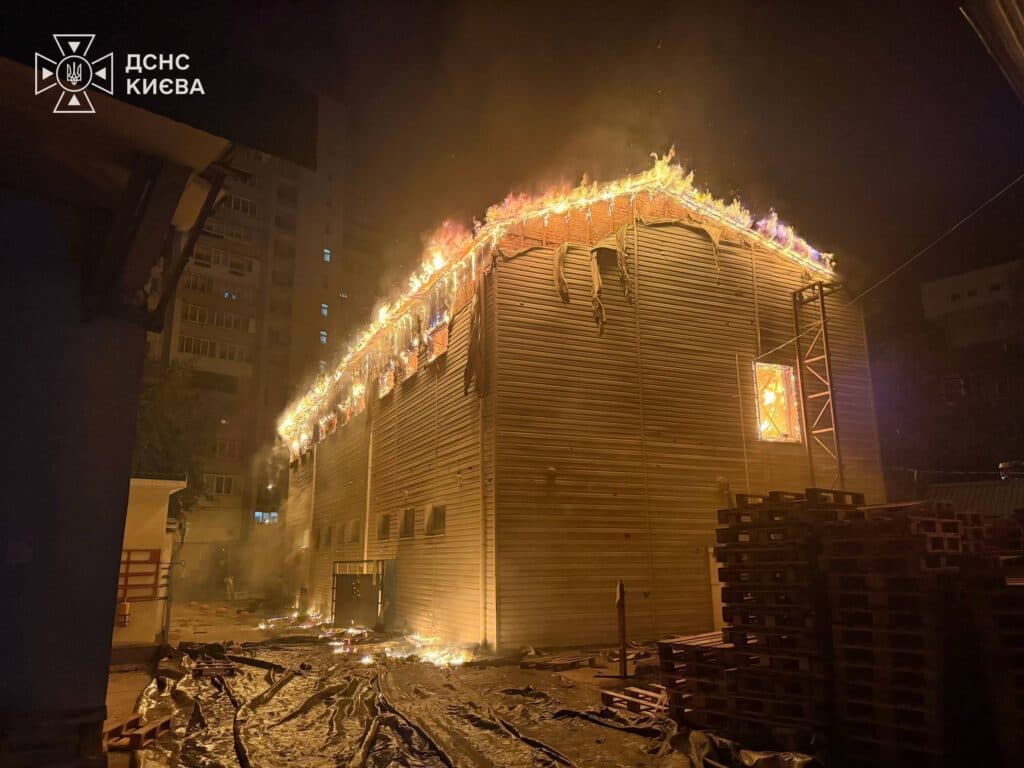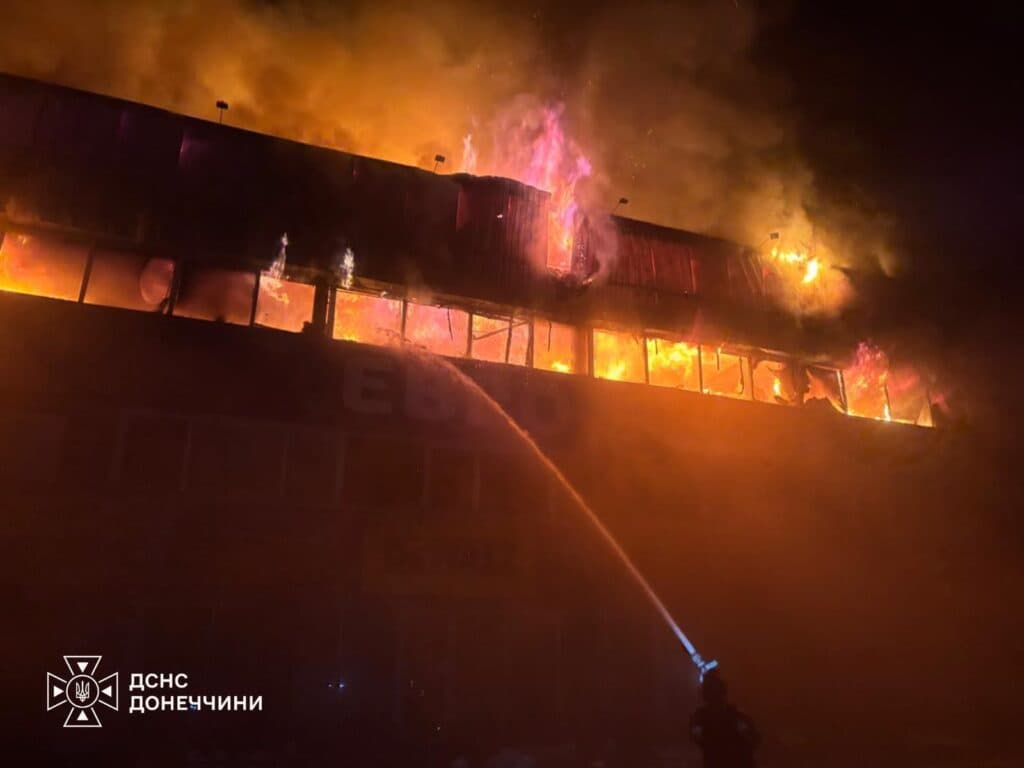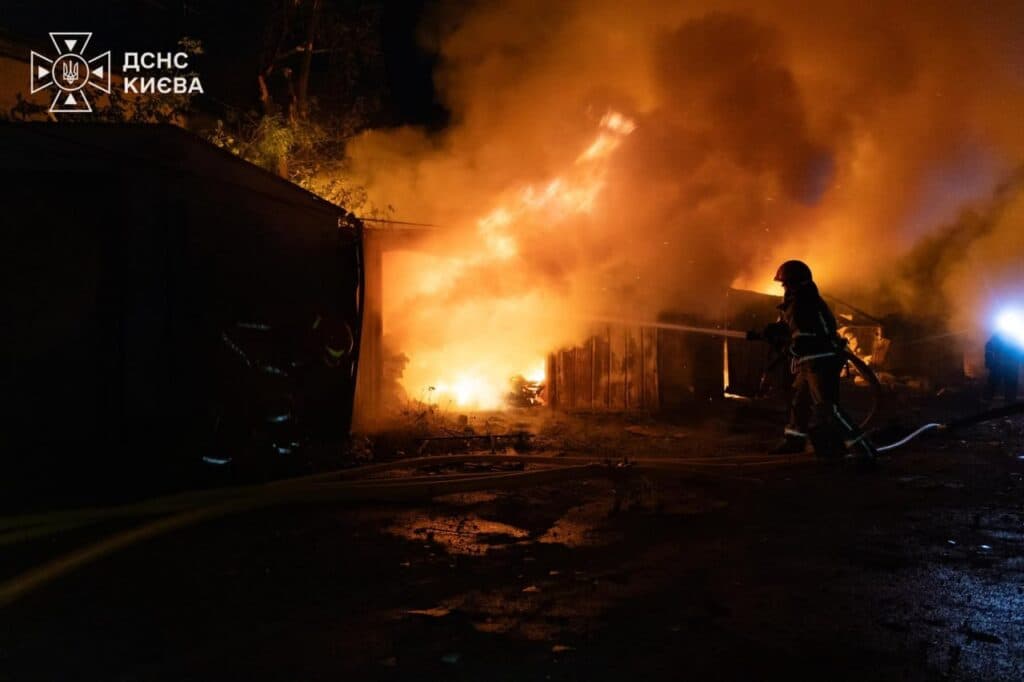
Russian forces launched fresh missile and drone attacks around Kyiv on August 8, killing civilians including a young child and injuring others, according to Ukrainian authorities and international reports.
The strikes hit areas in and around the Ukrainian capital overnight, with emergency crews responding to fires and damage to residential and other infrastructure. Reports from the Kyiv region said a three-year-old child was among those killed.

The attack came as Ukraine continues to face pressure from Russian missile and drone campaigns and repeatedly appeals to its Western allies for additional air-defence interceptors.
Why Kyiv Remains a Major Target For Russia?
Kyiv is not on the immediate frontline, but its political, military and logistical importance makes it a recurring target for Moscow’s long-range attacks. Russia has increasingly combined different types of weapons, including attack drones and ballistic and cruise missiles. The combination can complicate Ukrainian air-defence operations by forcing defenders to respond simultaneously to threats travelling at different speeds and altitudes.

Ukrainian officials have repeatedly identified additional air-defence systems, particularly Patriot batteries and interceptors, as a critical requirement.
A Wider War of Attrition
The latest attack comes more than four years after Putin launched its full-scale invasion of Ukraine in February 2022. The war has evolved into a grinding conflict involving artillery, drones, cruise missiles, ballistic missiles, electronic warfare and long-range strikes against infrastructure.
Moscow continues to target Ukrainian military and energy infrastructure while Ukraine has expanded its own long-range drone campaign against Russian military facilities, oil infrastructure and logistics networks.The two sides are increasingly relying on drones because they are comparatively inexpensive and can be deployed in large numbers.

New Pressure on Moscow
The latest Kyiv attack also coincides with renewed pressure on Moscow from Washington. The US Senate has overwhelmingly passed a major sanctions bill targeting Russia and Iran. The legislation gives the US president broad authority to impose tariffs of up to 100% on countries that continue significant purchases of Russian energy, although the measure still faces further legislative steps before becoming law.
ALSO READ: Russia Strikes Ukraine With Missile Barrage: 8 Killed, Dozens Injured As Tensions Boil
What Happens Next?
For Ukraine, the immediate priority remains strengthening its air-defence network and securing enough interceptors to protect major cities and infrastructure.
For Russia, sustained long-range attacks remain an important part of its strategy to pressure Ukraine away from the battlefield.
The latest strikes show that despite diplomatic efforts and shifting international pressure, the war remains highly active—and Ukraine’s civilian population continues to face the consequences of the escalating aerial campaign.