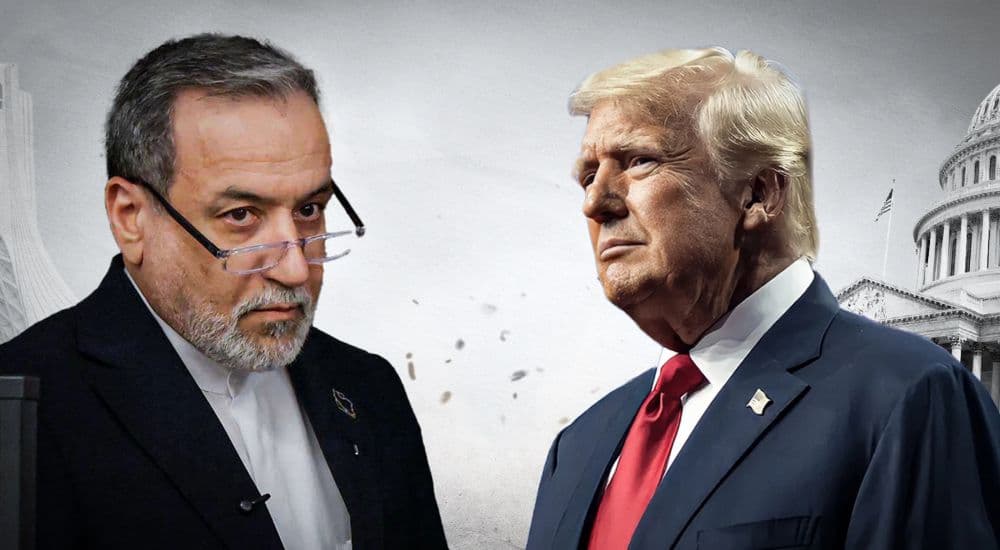
The crisis surrounding the Strait of Hormuz has intensified after Iran warned that it could shift from a defensive military posture to a fully offensive strategy if diplomatic efforts with the United States fail.
A senior Iranian official told Reuters on August 17 that Tehran could take military action to challenge the US naval blockade if Washington fails to implement an interim peace agreement. The warning comes as commercial shipping through the strategic waterway has fallen to extremely low levels.
Only five commodity vessels passed through Hormuz on Saturday, while no such vessels were recorded on Sunday, according to Kpler data. Before the war, more than 130 vessels crossed the strait each day.
Why Hormuz Is So Important
The Strait of Hormuz connects the Persian Gulf with the Gulf of Oman and the Arabian Sea. Before the conflict, approximately one-fifth of the world’s oil and liquefied natural gas supplies passed through the waterway.

That makes Hormuz one of the world’s most important energy chokepoints.Any prolonged disruption can push up crude prices, increase shipping insurance costs and raise transportation expenses worldwide.
Oil Prices Remain Near $90
Despite the dramatic reduction in shipping, oil prices remained relatively stable on Monday. Brent crude was around $88.58 per barrel, while US West Texas Intermediate stood near $82.22.

Analysts say markets have already priced in a significant amount of supply disruption. However, prices could rise sharply if crude shipments through the strait stop completely or if the crisis expands to other major shipping routes.
US-Iran Peace Efforts Stall
The crisis is closely connected to the collapse of a June agreement intended to establish a framework for ending the war. Iran and the United States remain divided over sanctions, Iran’s nuclear programme and, crucially, control of maritime traffic through Hormuz.
Tehran argues that the agreement recognizes its role in managing the waterway alongside Oman. Washington disputes that interpretation. Iranian officials now say that further negotiations depend on Washington implementing the earlier agreement.
ALSO READ: Strait of Hormuz Crisis: US-Iran Standoff Deepens as Shipping Traffic Collapses
Trump Escalates Rhetoric
US President Donald Trump has continued to demand that Iran surrender and has threatened further military escalation. He has also suggested that the United States could eventually declare the Strait of Hormuz US territory, a claim that would have enormous geopolitical implications and is strongly contested by Iran.

Meanwhile, Iran has threatened to escalate military action if diplomacy fails.
The Crisis Is Spreading Beyond Hormuz
The threat is no longer limited to the Persian Gulf. Iran-backed Houthi forces in Yemen have also claimed attacks on Saudi-linked vessels in the Bab el-Mandeb Strait, another major global shipping chokepoint connecting the Red Sea and Gulf of Aden.
That creates the possibility of simultaneous disruption across two critical maritime routes.
What Happens Next?
The biggest question is whether diplomacy can restore shipping before the crisis creates a deeper global energy shock. Saudi Arabia and the UAE are already exploring ways to move oil outside the Strait of Hormuz, while markets are closely watching alternative export routes.
For now, Hormuz remains the centre of a dangerous confrontation involving Iran, the United States, global oil markets and international shipping. If diplomatic efforts fail and Iran follows through on its threat of offensive action, the economic consequences could extend far beyond the Middle East.