The United Arab Emirates has suspended all financial, commercial and economic transactions with Iran after Abu Dhabi said it detected two ballistic missiles launched from Iran toward maritime traffic in the Gulf.
The missiles reportedly landed in the sea and caused no damage, but the incident has sharply escalated tensions between the two countries as the wider US-Iran conflict and Strait of Hormuz crisis continue.
Iran has rejected the UAE’s accusation as baseless. The Emirati decision represents a significant escalation because the country has historically maintained extensive commercial links with Iran despite major political disagreements between Tehran and Gulf Arab states.
What Happened?
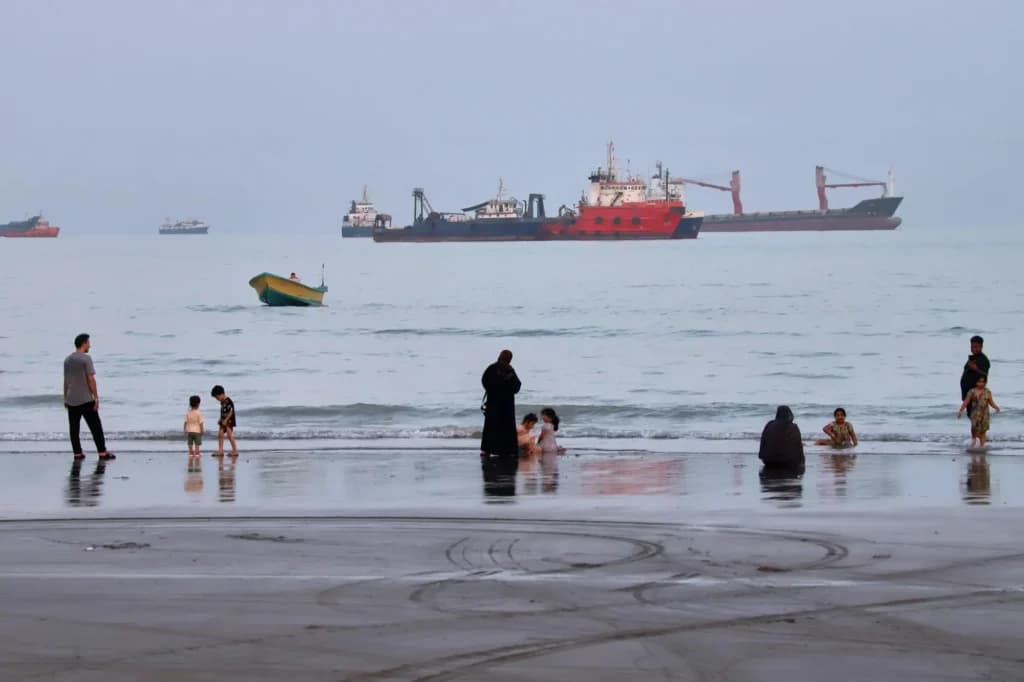
According to UAE authorities, two ballistic missiles were detected after being launched from Iranian territory and directed toward maritime traffic. The missiles fell into the sea without causing reported casualties or damage.

Iran, however, has denied launching the missiles and described the UAE’s claims as unfounded. The disagreement comes at a particularly sensitive moment, with commercial shipping through the Strait of Hormuz severely disrupted and Washington and Tehran struggling to revive diplomatic negotiations.
UAE Suspends Economic Dealings
Following the reported missile incident, the UAE announced the suspension of financial and economic transactions with Iran. The decision immediately affected investor sentiment in the Gulf.

The Abu Dhabi stock index fell 0.9%, while Dubai’s index declined 0.3%. Major UAE banks and companies also came under pressure as investors assessed the possibility of a wider regional escalation. Qatar’s stock market also fell, reaching its lowest level in more than a year.
ALSO READ: US Iran War: Trump Bombs 90+ Iranian Sites, Declares Ceasefire Is Over
Why Is This Important?
The UAE and Iran have maintained substantial trade and financial connections despite political tensions. Dubai in particular has historically functioned as an important commercial gateway for Iranian businesses.
A prolonged suspension of financial transactions could therefore affect trade, banking, shipping and investment flows between the two countries. It also risks pushing the Gulf region toward a broader economic confrontation at a time when businesses are already dealing with disrupted maritime trade.
Hormuz Crisis Adds to the Risk
The development comes as shipping through the Strait of Hormuz has fallen dramatically. Only a small number of commodity vessels are currently passing through the waterway, compared with more than 100 vessels per day before the crisis. Oil prices have responded to the uncertainty, with Brent crude approaching $92 per barrel on Wednesday.

The UAE is particularly vulnerable because its economy depends heavily on international trade, energy exports and regional logistics.
What Happens Next?
The biggest question is whether the UAE-Iran dispute remains limited to financial measures or develops into a broader confrontation. Diplomatic efforts involving the US and Iran remain uncertain, while Gulf states are increasingly concerned about becoming directly involved in the conflict. For now, the UAE’s decision marks one of the clearest signs that the wider Iran crisis is beginning to have direct economic consequences across the Gulf.