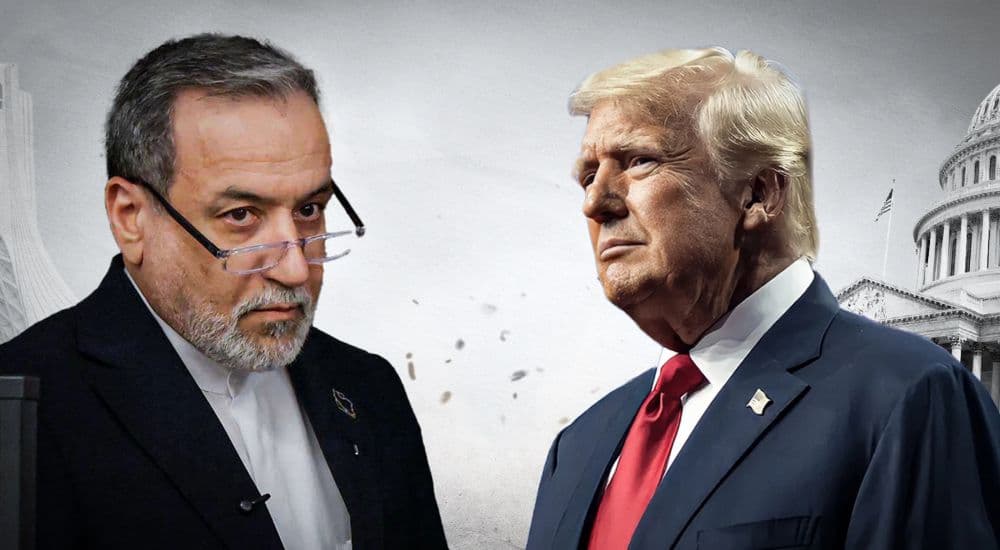
US President Donald Trump has threatened severe economic consequences for any country that supports or conducts business with Iran, expanding Washington’s pressure campaign as the conflict surrounding Tehran and the Strait of Hormuz continues.
Trump described the new approach as a major economic campaign against Iran, threatening what he called unprecedented consequences for countries providing Tehran with financial or commercial support.
The warning could have implications far beyond Iran because Tehran maintains important economic relationships with countries including China, Turkey and other regional trading partners.
Washington Targets Iran’s Economic Lifelines
The Trump administration’s strategy increasingly focuses on cutting off the financial and commercial networks that allow Iran to continue exporting oil and obtaining foreign currency. The US has already targeted Iranian oil exports and supply networks through sanctions and maritime pressure.

The latest warning suggests Washington could move toward secondary economic pressure, potentially targeting companies and countries that continue doing business with Tehran. Reuters reported that Trump’s threats could have significant implications for Iran’s major trading partners.
China Could Face a Difficult Choice
China is particularly important because it is Iran’s largest oil customer and one of its most significant economic partners. Any attempt by Washington to penalise Chinese companies involved in Iranian trade could create another confrontation between the world’s two largest economies.
Beijing has traditionally opposed unilateral US sanctions and has called for diplomatic solutions to international disputes. That makes China’s response one of the most important factors to watch.
Iran Hits Back After Trump’s Sanction Threat
Iran has rejected Washington’s approach and accused the United States of using economic warfare to force Tehran into submission. Iranian officials have repeatedly said that they are willing to discuss diplomatic solutions but will not accept demands that undermine the country’s sovereignty or nuclear programme.

The confrontation comes after repeated attempts to establish a diplomatic framework between Washington and Tehran failed to produce a lasting settlement.
Hormuz Remains Central to the Crisis
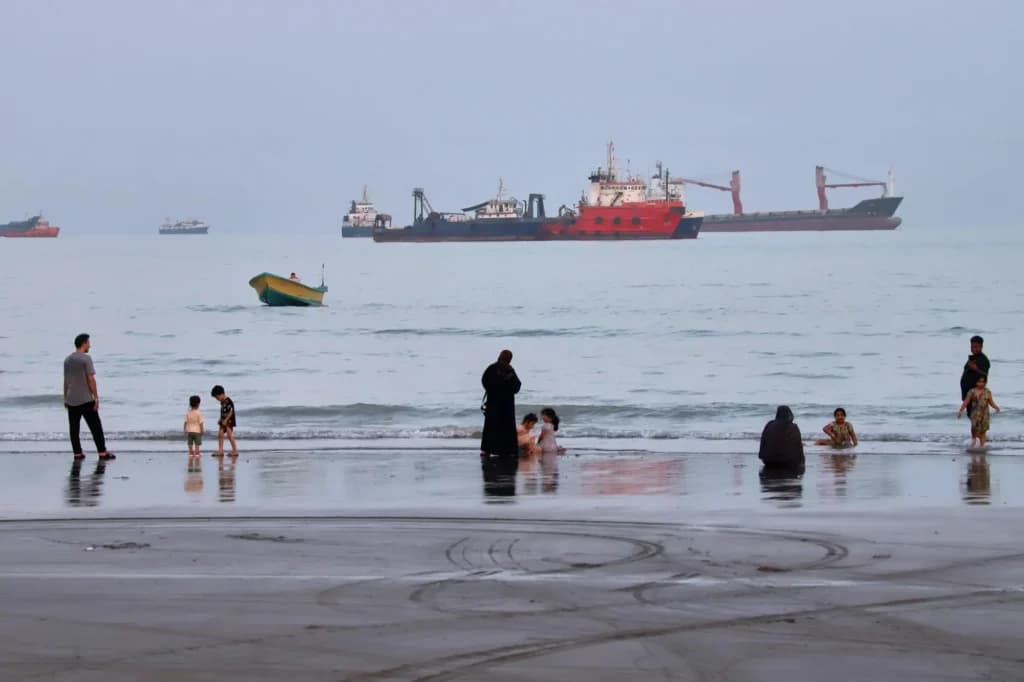
The economic confrontation is closely linked to the Strait of Hormuz, where commercial shipping has fallen dramatically. The waterway is a crucial route for global oil and LNG supplies.

The disruption has already pushed crude prices sharply higher and forced Gulf producers to explore alternative routes for exporting oil. Saudi Arabia, for example, has begun moving more crude through routes that avoid Hormuz.
ALSO READ: Disney Sues Trump’s FCC Over Broadcast License Challenge
What Does It Mean for India?
India could face a complicated situation if Washington expands economic pressure to countries trading with Iran. India has longstanding economic and strategic interests in Iran, including connectivity projects and access to the Chabahar port.
At the same time, India has deepened its economic and strategic relationship with the United States. Any expansion of secondary sanctions could therefore create a delicate diplomatic balancing act for New Delhi.
What Happens Next?
The key question is whether Trump’s threats remain rhetorical or develop into concrete sanctions against Iran’s trading partners. If Washington begins targeting major companies or countries that continue buying Iranian oil, the economic confrontation could widen significantly.
The Iran crisis is therefore no longer only a military or Middle Eastern issue. It is rapidly becoming a global trade, energy and sanctions dispute.